- HOME
- Solutions
- Steel Factory
- Carbon Steel Fabrication Solutions
Carbon Steel Fabrication Solutions
At PASHA Contractors & Trading Co., we provide reliable cement production plant solutions with modern engineering, quality machinery, and complete turnkey project execution for efficient cement production.
High-Strength Carbon Steel Products for Industrial Applications
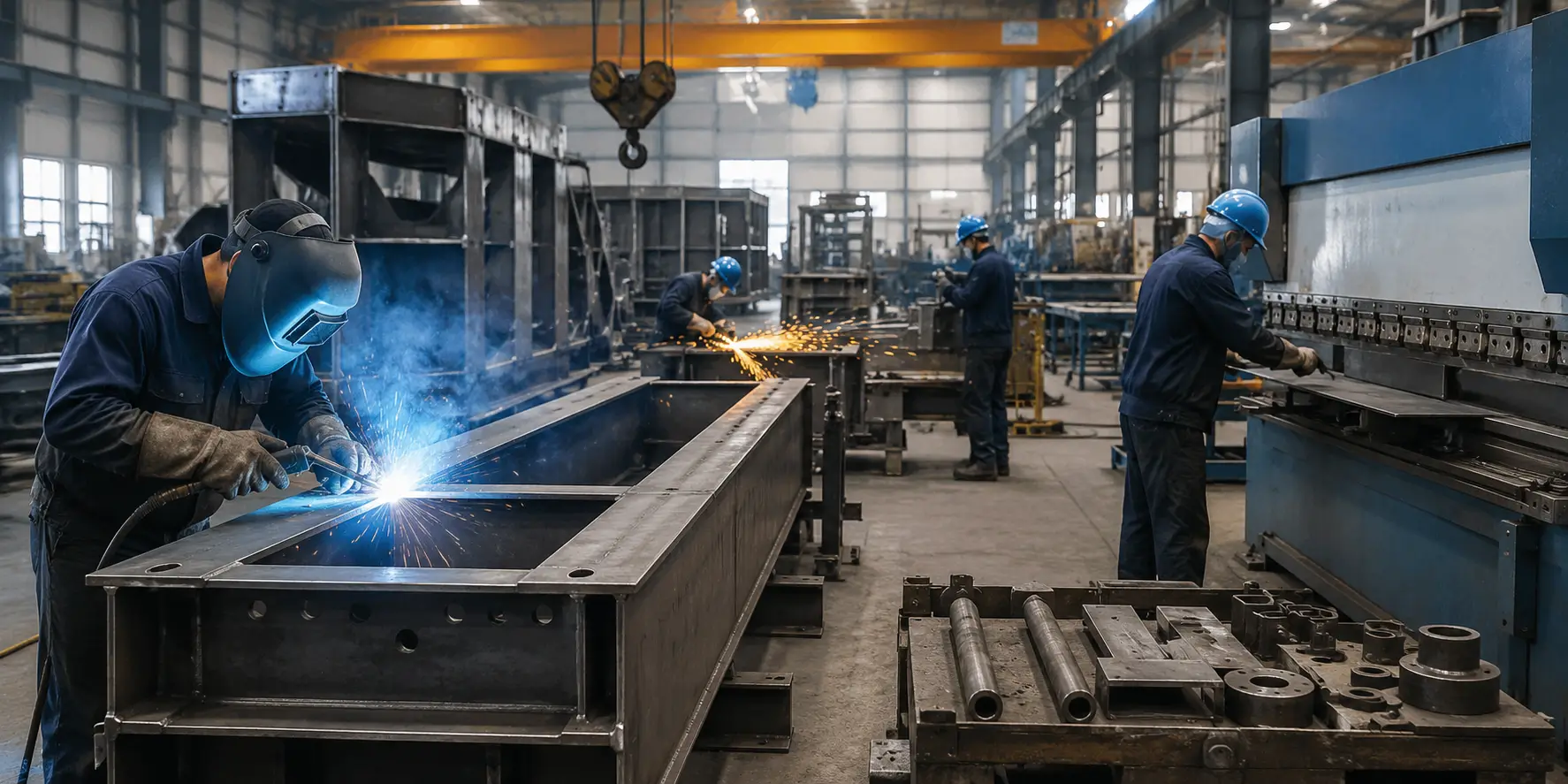
Using advanced fabrication technology and precision engineering, we deliver customized carbon steel structures and industrial steel components that meet modern industry standards. Our team focuses on strength, safety, corrosion resistance, and cost-effective manufacturing solutions for every project.
Advanced Carbon Steel Fabrication Services
- • Structural Steel Fabrication
- • Industrial Steel Components
- • Conveyor System Structures
- • Warehouse Steel Structures
- • Industrial Platforms & Supports
- • Storage Tanks & Ducting Systems
- • Heavy Steel Fabrication
- • Roofing & Industrial Shed Structures
Types of Carbon Steel
Carbon steel mainly contains iron and carbon, with carbon content generally reaching up to 2.5%. Because of its high strength and versatility, industries widely use carbon steel in manufacturing, construction, industrial fabrication, and engineering projects.
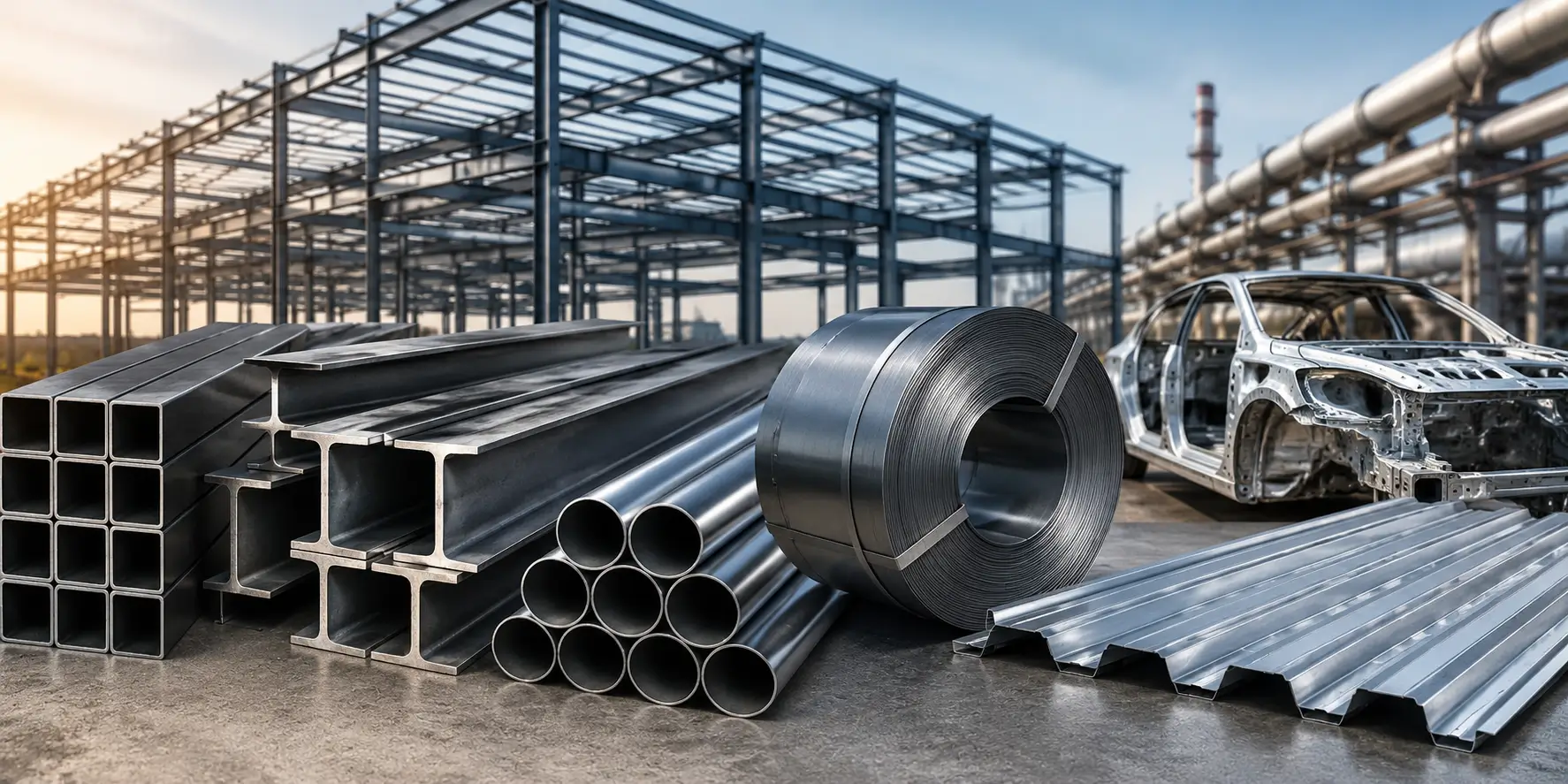
Low Carbon Steel (Mild Steel)
Benefits of Mild Steel
- • Excellent weldability
- • Easy fabrication process
- • Cost-effective industrial material
- • Good flexibility and strength
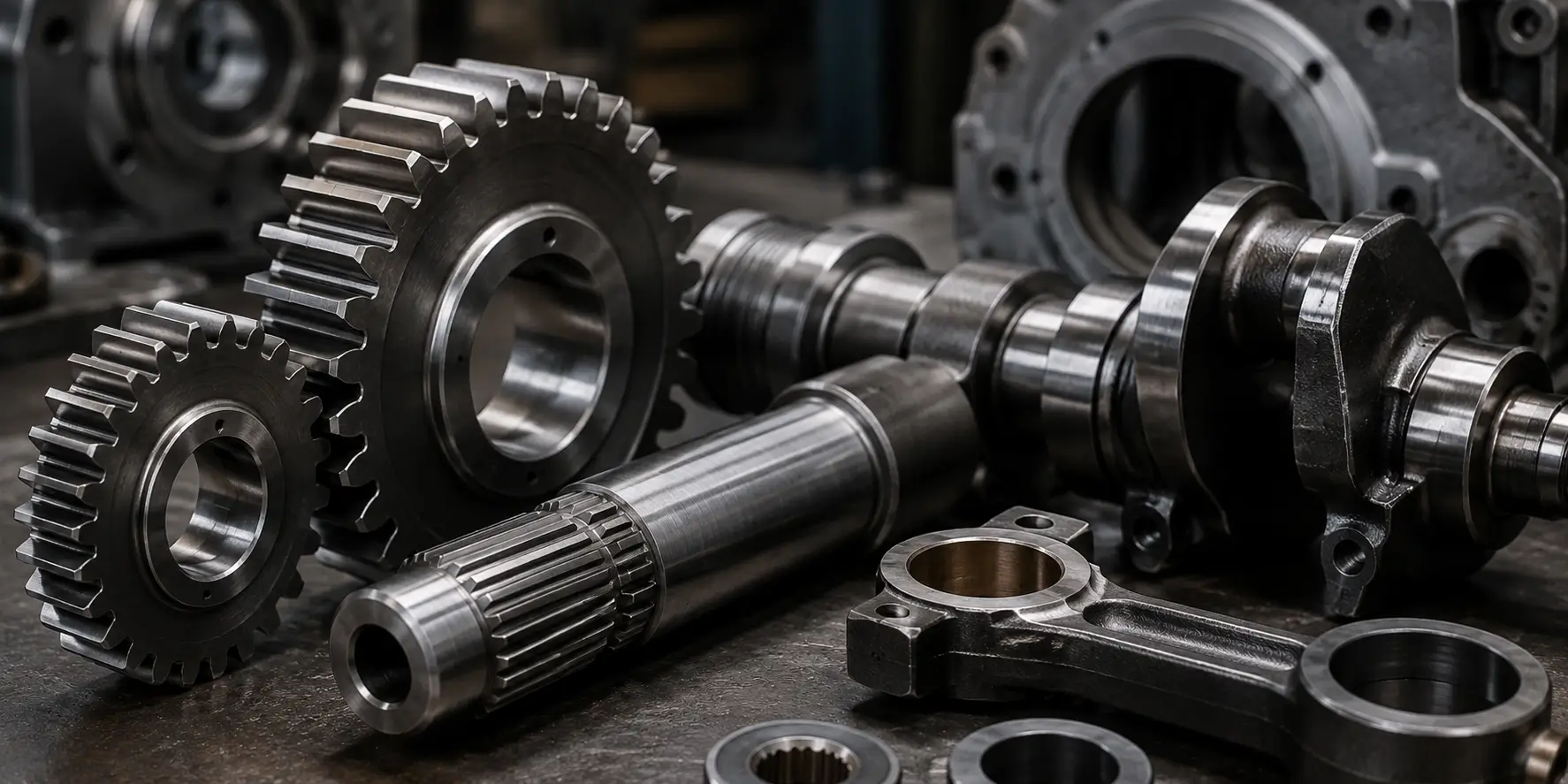
Medium Carbon Steel
Common Applications
- • Industrial gears
- • Shafts and axles
- • Machinery components
- • Heavy engineering equipment
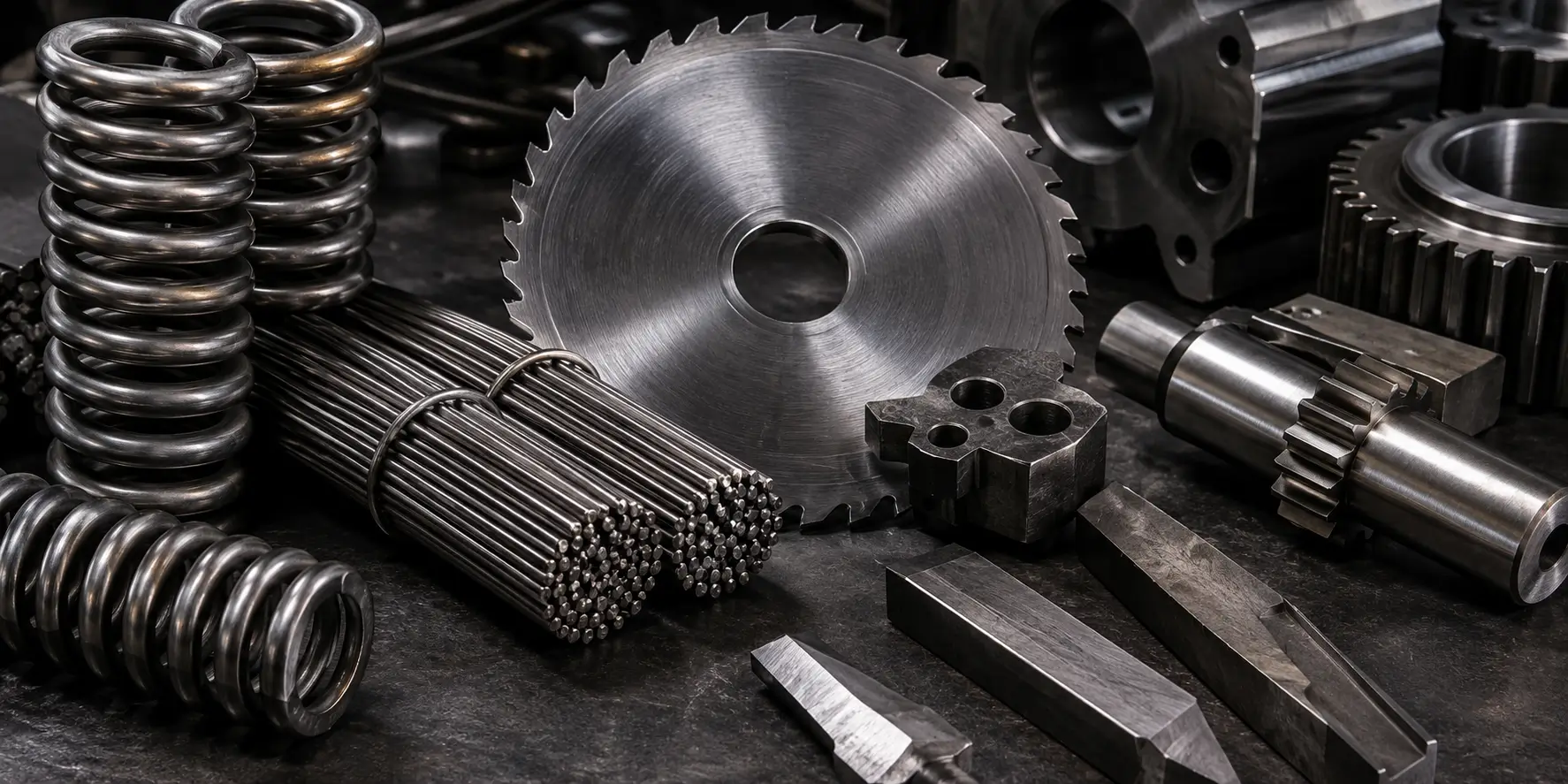
High Carbon Steel
Common Applications
- • Springs and cutting blades
- • Heavy-duty industrial wires
- • Wear-resistant tools
- • Industrial machine parts
Benefits of Carbon Steel Fabrication

High Structural Strength
Carbon steel provides excellent load-bearing capacity and performs well in heavy industrial operations.

Cost-Effective Solution
Compared to alloy metals, carbon steel offers durable industrial performance at a lower manufacturing and maintenance cost.
Easy Maintenance
Carbon steel structures are easy to inspect, repair, and maintain, which helps reduce industrial downtime.

Reliable Industrial Performance
Carbon steel components can withstand pressure, heavy impact, and continuous industrial usage without compromising strength.
Applications of Carbon Steel
- • Cement Manufacturing Plants
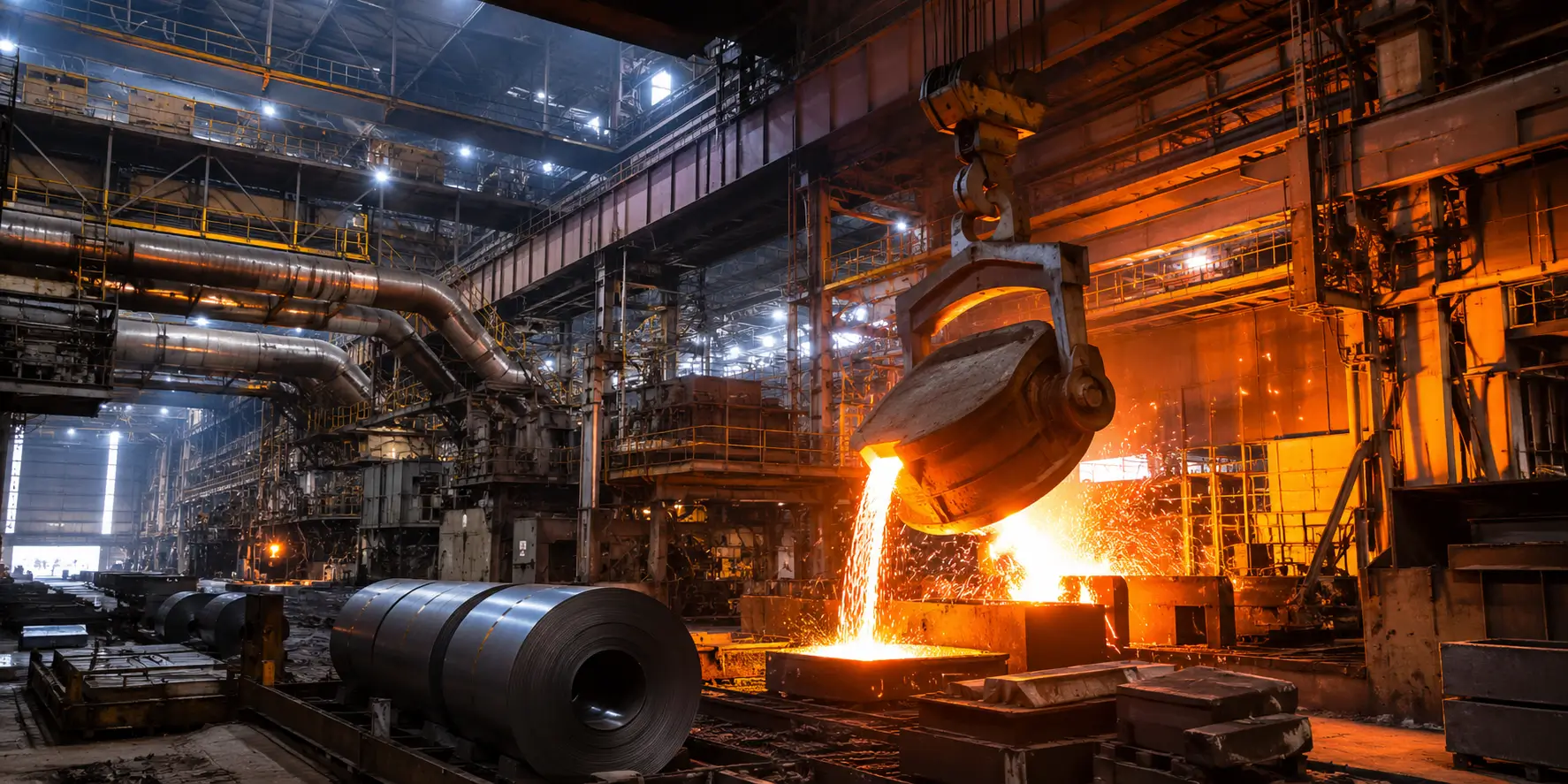
- • Steel Production Facilities
- • Industrial Warehouses
- • Commercial Buildings
- • Conveyor Systems
- • Power Plants
- • Infrastructure Projects
- • Industrial Roofing Structures
Trusted Carbon Steel Fabrication Company
Pasha Contractors & Trading Co. delivers reliable carbon steel fabrication solutions with advanced manufacturing facilities, engineering expertise, and proven industrial project experience.
Frequently Asked Questions
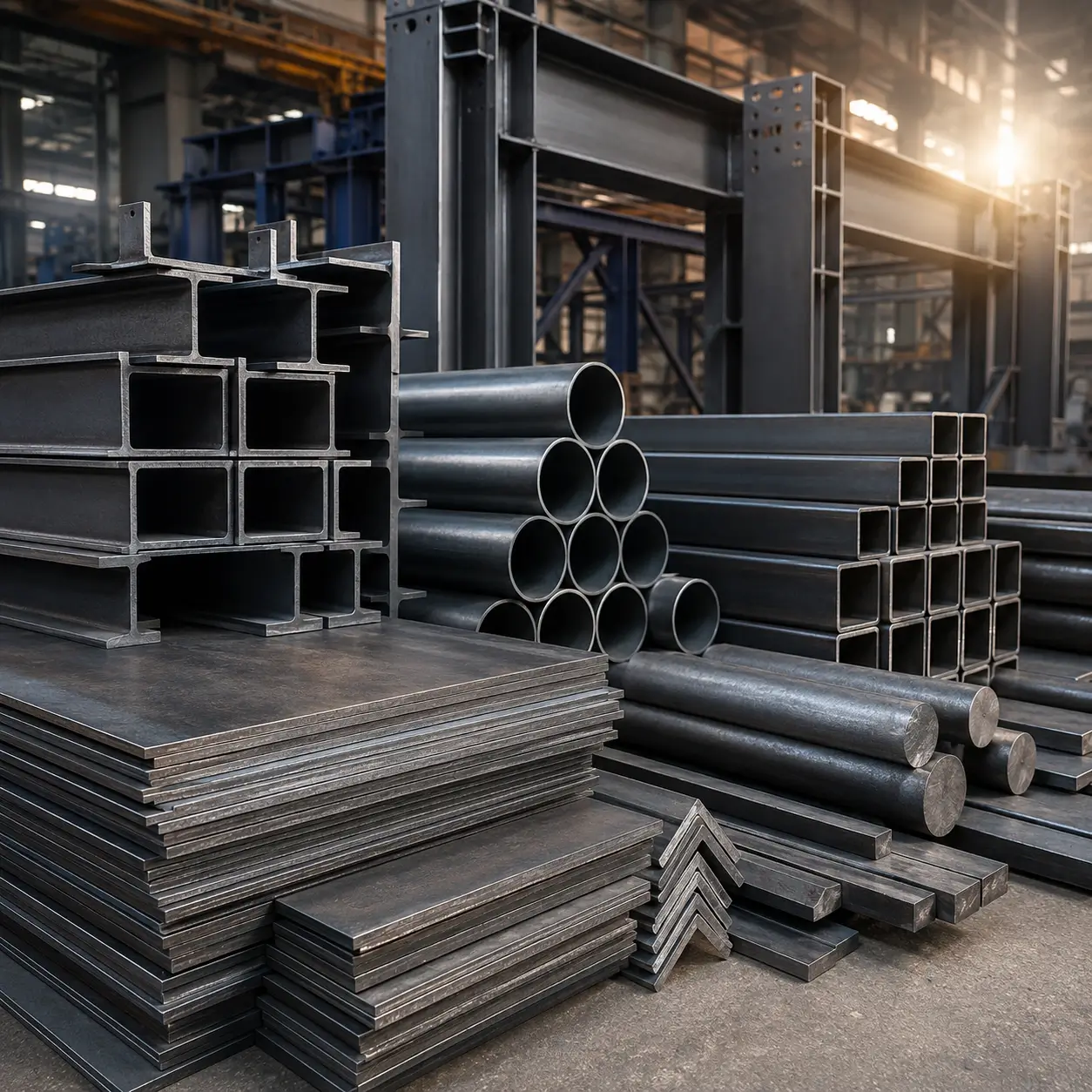
Industrial Steel Strength
Carbon steel offers exceptional strength and durability, making it suitable for heavy industrial structures, equipment, and demanding operational environments.
What is carbon steel fabrication?
Carbon steel fabrication is the process of manufacturing industrial structures and components through cutting, welding, bending, machining, and assembly techniques.
Why is carbon steel used for industrial projects?
Carbon steel is widely used in industrial projects because it offers high strength, durability, cost-effectiveness, and excellent load-bearing capacity, making it ideal for heavy-duty applications.
What is the difference between low carbon steel and high carbon steel?
Low carbon steel is more flexible, ductile, and easier to weld, while high carbon steel provides greater hardness, strength, and wear resistance.
Which industries use carbon steel fabrication?
Carbon steel fabrication is commonly used in cement plants, steel plants, warehouses, power plants, infrastructure projects, and conveyor system structures.
What are the major benefits of carbon steel fabrication?
Carbon steel fabrication provides strong and durable structures, easy maintenance, long service life, reliable industrial performance, and lower manufacturing costs.